In the quiet glow of early morning, a classroom waits. Dust drifts through thin sunlight, settling on worn wooden desks carved with initials of children who once dreamed loudly.
A blackboard stands at the front like a silent witness, holding chalk-written letters that promise beginnings. Across the Philippines, millions of children walk to school in pressed uniforms and hopeful eyes. They are called pag-asa ng bayan—a phrase once spoken by Jose Rizal to honor the youth as the nation’s hope. In cities humming with jeepneys and in far barangays where classrooms stand beside rice fields, the belief remains: the children will carry tomorrow. Yet inside many of these classrooms, a fragile truth trembles.
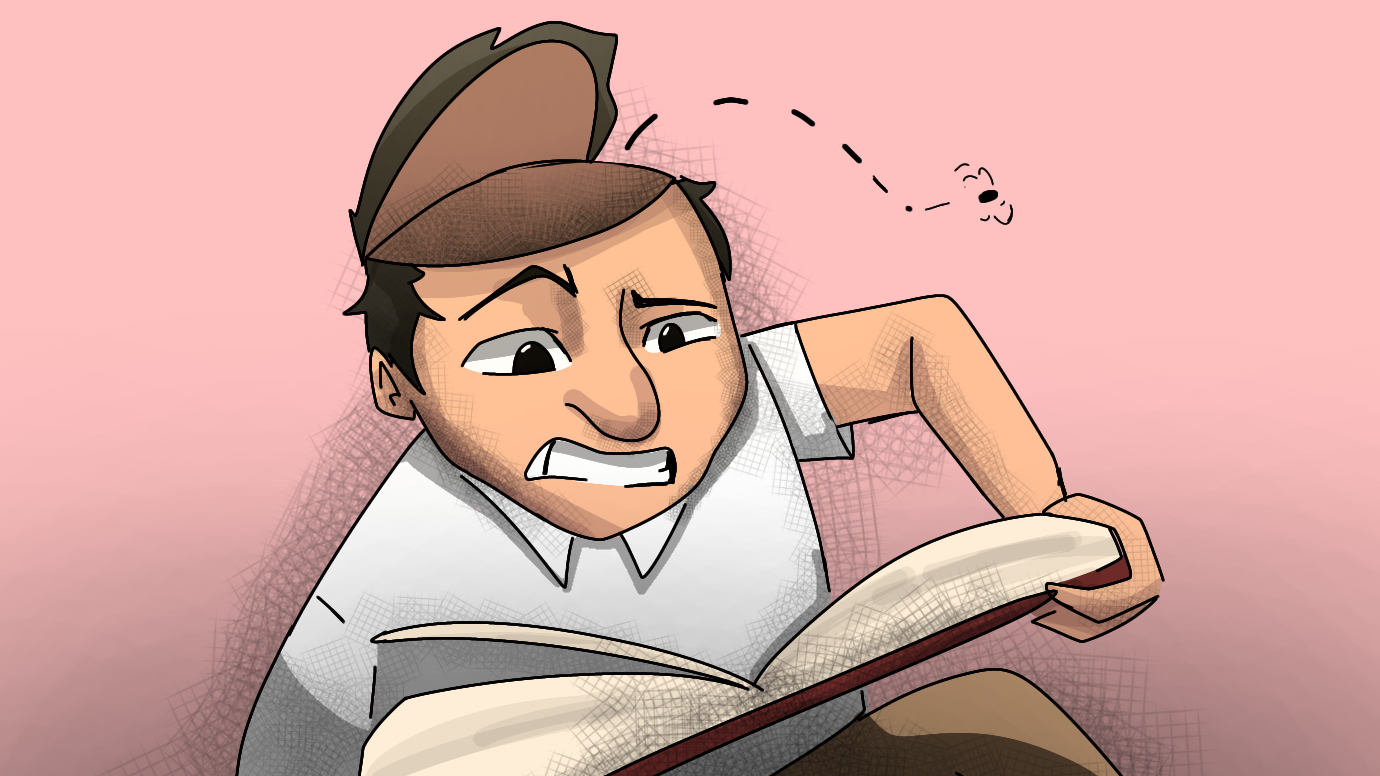
Many children today move from grade to grade without mastering the simple miracle of reading. Letters remain strangers. Words refuse to gather into meaning. Stories, instead of opening worlds, sit locked behind unfamiliar sounds. Still, they are passed on. Report cards rise, ceremonies continue, applause fills small covered courts. But behind the smiles, some children struggle silently—unable to read instructions, unable to understand lessons, unable to find their voice in printed lines.
The blackboard that should hold a nation’s future begins to crack. Teachers carry heavy loads—crowded classrooms, limited materials, shifting policies. Parents juggle long hours of work, trusting schools to build foundations. Systems aim to prevent children from being left behind, yet in trying to protect confidence, they sometimes allow comprehension to slip through unseen gaps. The tragedy is not a lack of intelligence. It is a lack of mastery.
A child who cannot read learns to hide. They memorize patterns, copy classmates, laugh at the right moments. But when asked to read aloud, their voice falters. When faced with a test, anxiety grows heavy. Reading is more than decoding letters. It is power. It is independence. It is the bridge to science, history, law, and dreams. Without it, the world narrows. If literacy weakens, so does democracy. If comprehension fades, misinformation grows louder. A nation that does not guard the reading of its children risks rewriting its own future in fragile ink.
Yet the blackboard can be wiped clean. Early intervention can catch struggling readers before shame settles in. Smaller reading groups, stronger phonics foundations, and consistent assessment can rebuild confidence. Community reading programs in barangay halls and churches can turn afternoons into shared pages. Parents reading ten minutes each night can plant seeds that grow for decades. Teachers must be supported—not only praised, but equipped. Classrooms need books that reflect Filipino stories and languages. Schools need systems that measure learning honestly, not just completion. Promotion should reflect readiness, not convenience.
Imagine classrooms where every child can read a sentence and feel it come alive. Imagine libraries filled not just with books, but with voices discovering themselves. Imagine graduation ceremonies where diplomas reflect real readiness, not quiet compromise. The blackboard that held a nation may show cracks, but it is not beyond repair. If we choose patience over pressure, mastery over mere movement, and truth over comfort, the children of the Philippines will not only be called pag-asa ng bayan—they will truly become it.