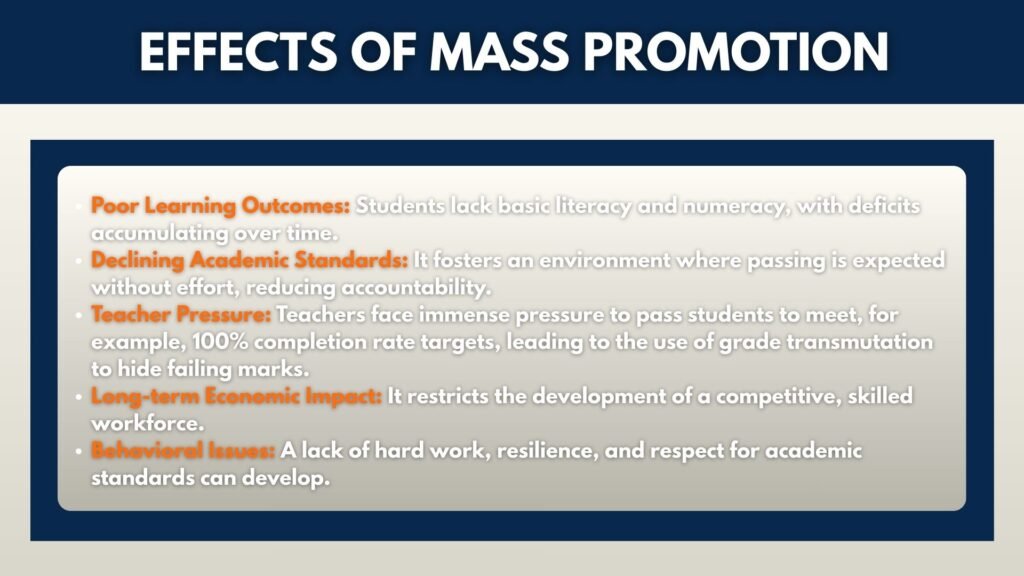
Amid ongoing national debates over the practice of mass promotion in basic education, Edna Quinilog, ARAL Program Coordinator at Tupi National High School (Tupi NHS), voiced strong opposition to allowing unprepared students to move up grade levels, underscoring concerns about the Philippines’ global competitiveness.
“How can we compete globally?” Quinilog asked during a school press conference on February 23, 2026, when discussing the trend of students advancing despite not meeting academic standards.
National Education Debate on Mass Promotion
The issue of mass promotion has been thrust into the spotlight in recent weeks as the Department of Education (DepEd) and education policymakers review existing practices that may inadvertently allow underperforming learners to advance to the next grade level without fully mastering required competencies.
While DepEd officials recently clarified that there is no official policy of mass promotion, critics including education groups and lawmakers argued that grade transmutation and related practices have effectively produced similar outcomes by letting students pass despite gaps in literacy and numeracy.
Quinilog: Mass Promotion Weakens Learning Standards
Quinilog, who has been closely involved with the school’s implementation of the Academic Recovery and Accessible Learning (ARAL) Program, emphasized that promoting learners who have not yet developed essential academic skills undermines broader efforts to improve education quality.
“Kung papasok sila sa next grade level kung hindi pa sila handa, paano sila makakasabay sa global standards?” she said, highlighting how foundational learning gaps can have long-term effects on students’ academic trajectories and future competitiveness.
Her comments reflect growing concern among educators that without firm standards and genuine mastery of competencies, Filipino learners could fall further behind peers in ASEAN and other international assessments.
Calls for Stricter Policies and Meaningful Progression
Nationally, the Second Congressional Commission on Education and DepEd leadership have been reviewing policies such as grade transmutation, which critics say contribute to mass promotion by converting failing marks into passing grades. The move aims to phase out practices that inflate promotion rates and mask persistent learning deficiencies.
Education advocates argue that stronger retention policies combined with targeted remedial support like ARAL offer a more sustainable path to genuine learning gains.
ARAL as a Response to Learning Gaps
Quinilog pointed out that while programs like ARAL provide essential remediation in reading, mathematics, and science, they must be complemented by accountability in student progression.